Written by Montana Media Lab Intern Lotus Porte-Moyel
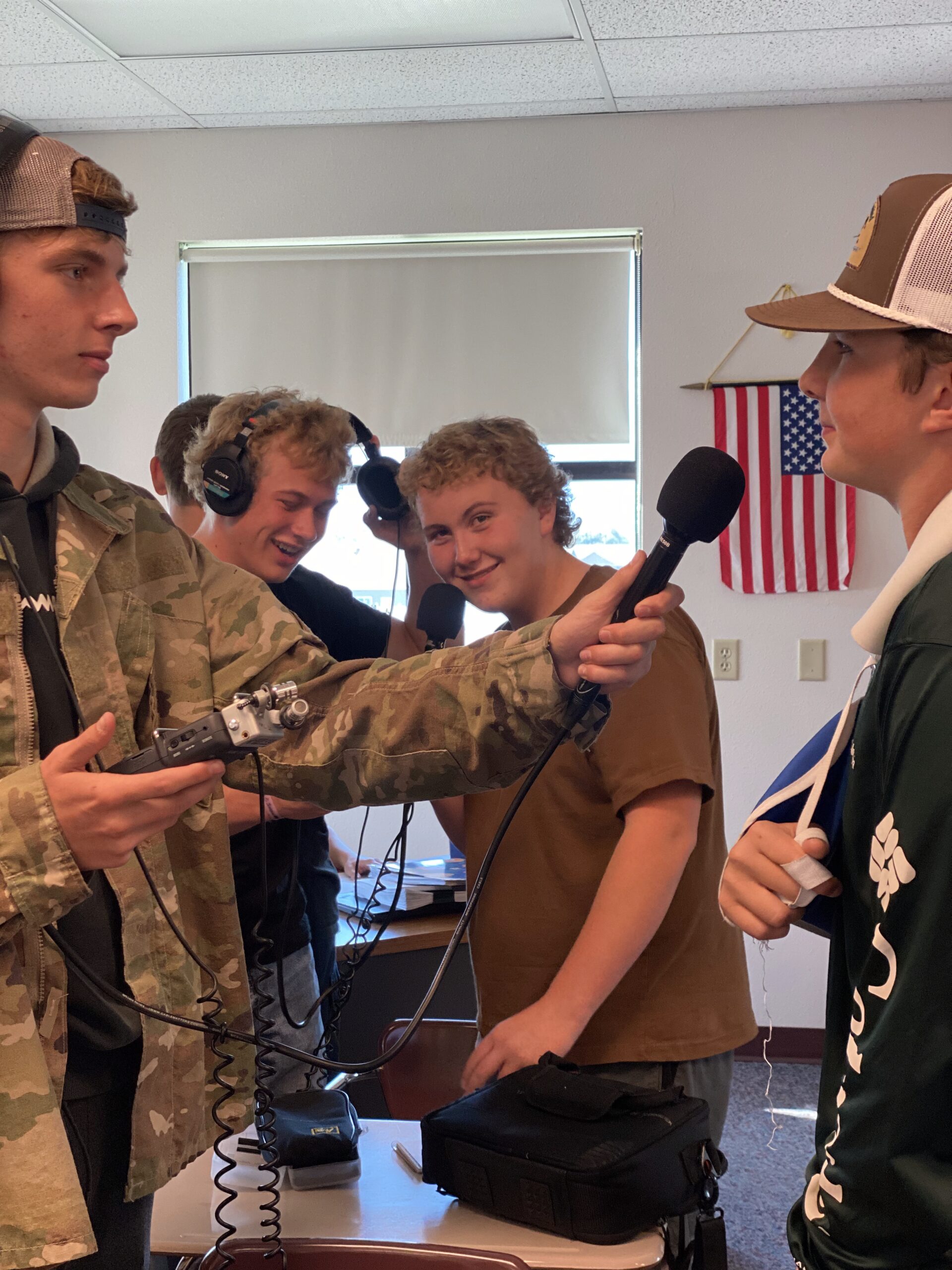
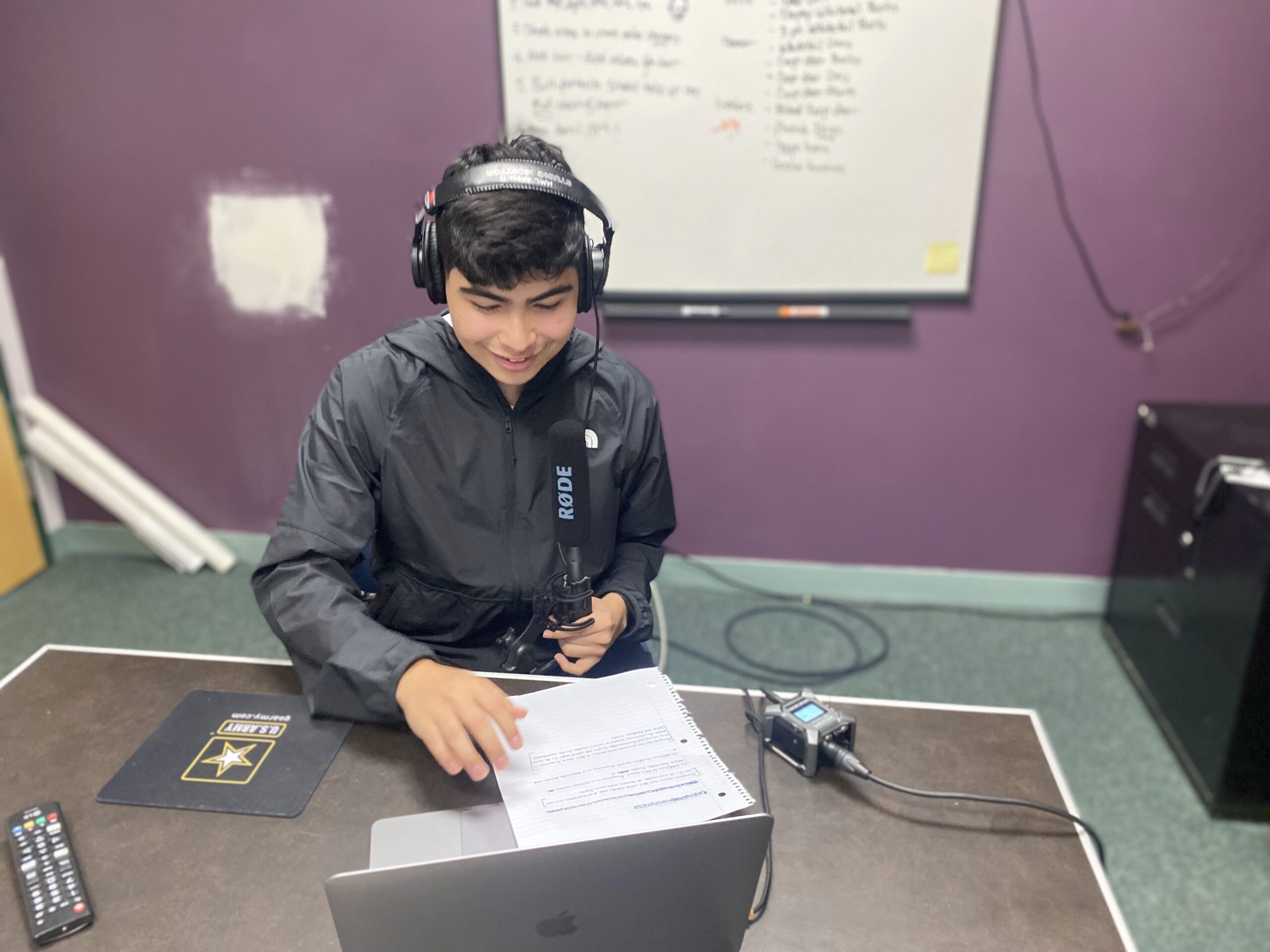
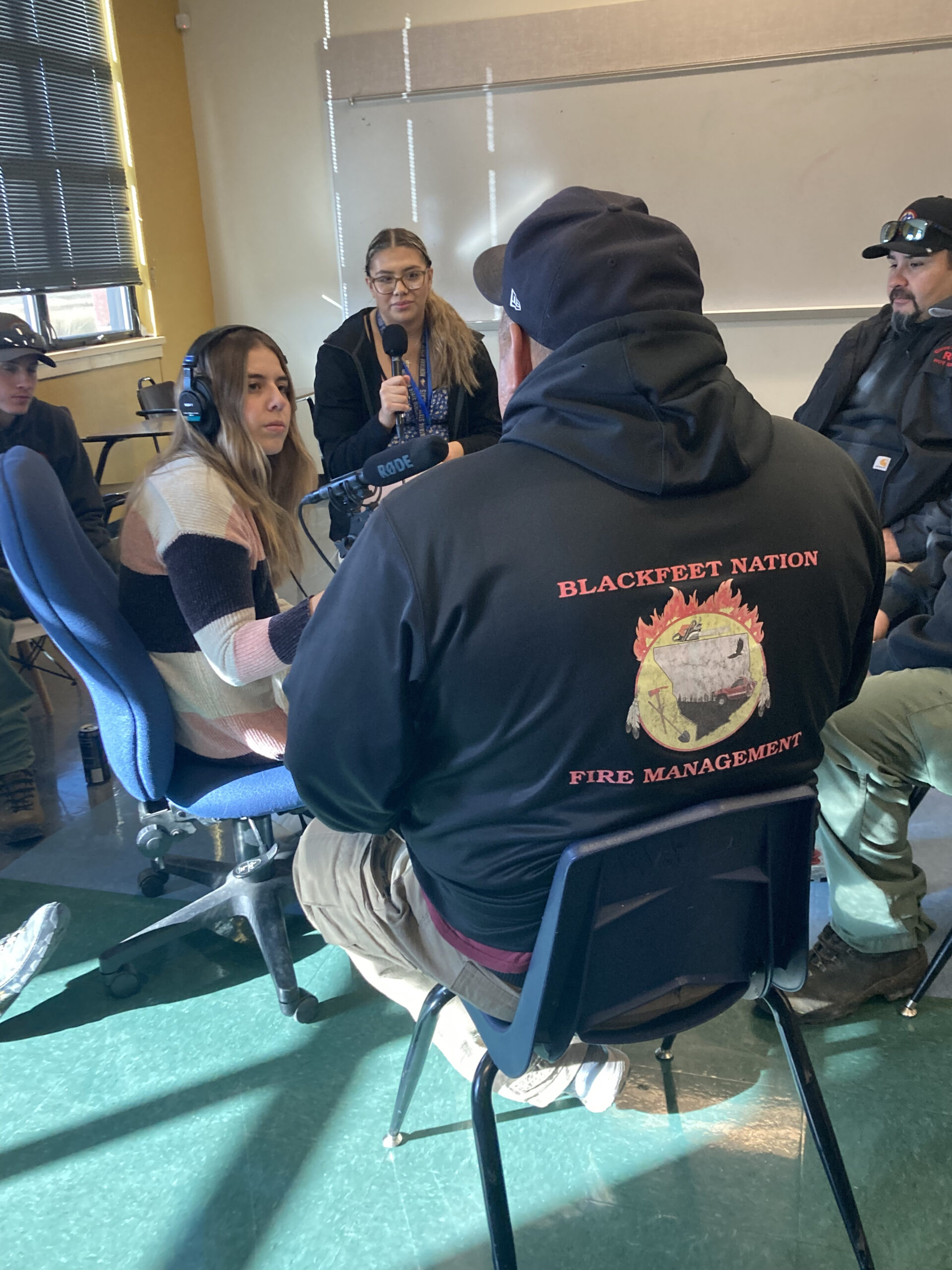
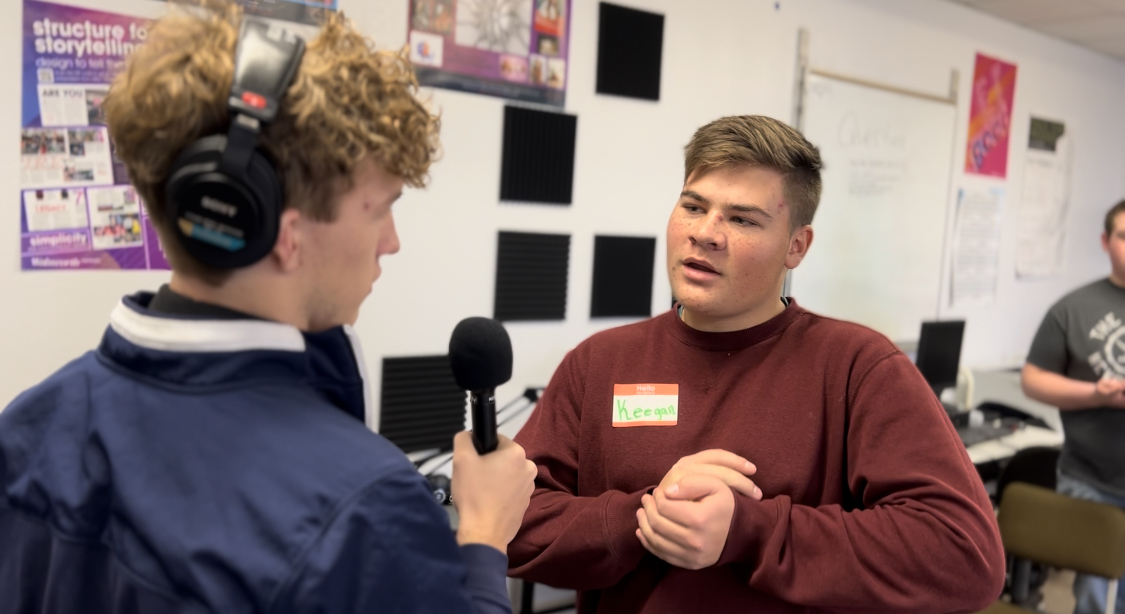
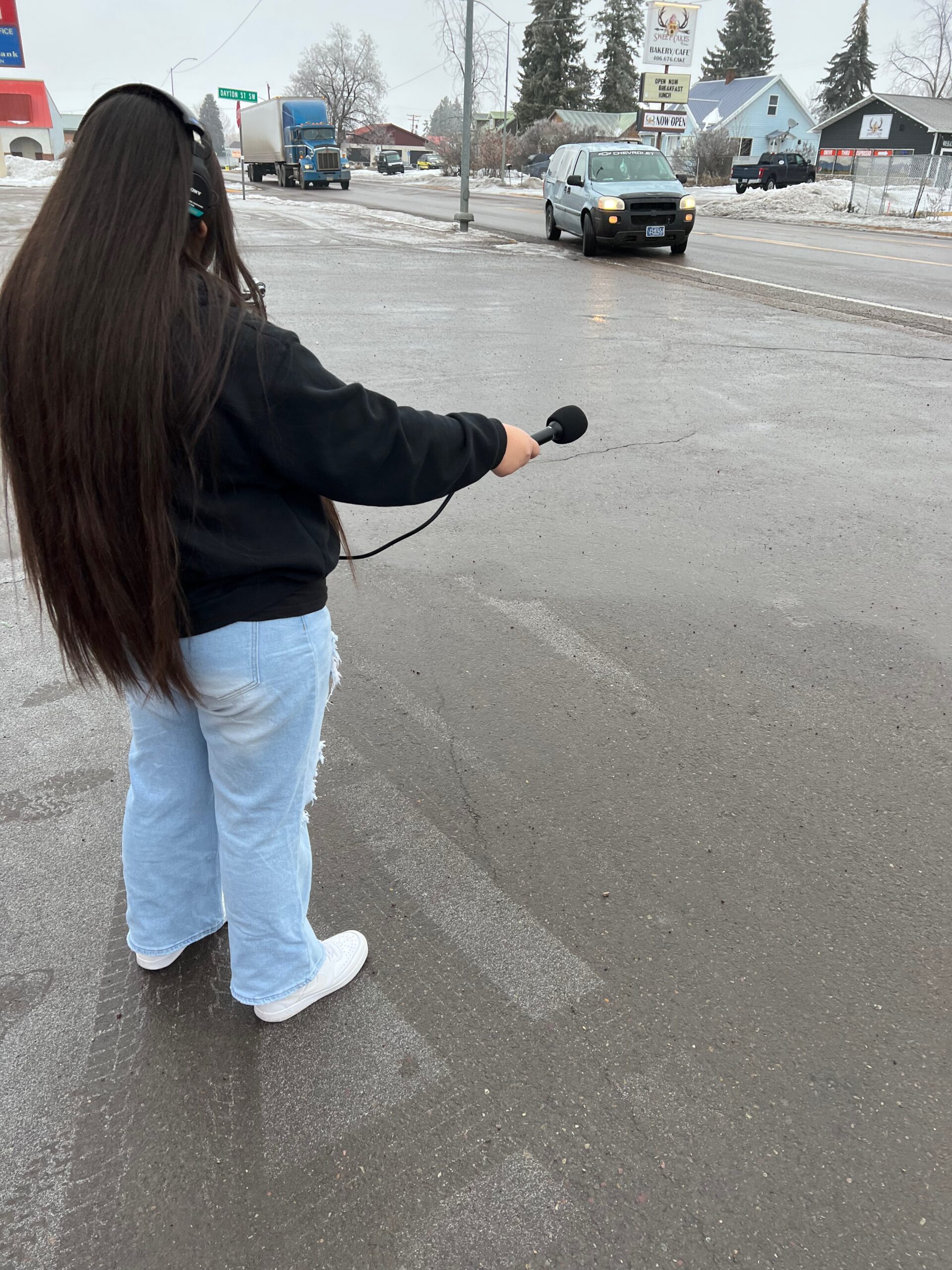
During the Montana Media Lab’s High School Reporting Workshop at the UM School of Journalism, high school students from Harrison, Deer Lodge, Dillon, and Alberton worked alongside the Montana Media Lab and guest journalist instructors to hone their audio reporting and photojournalism skills.
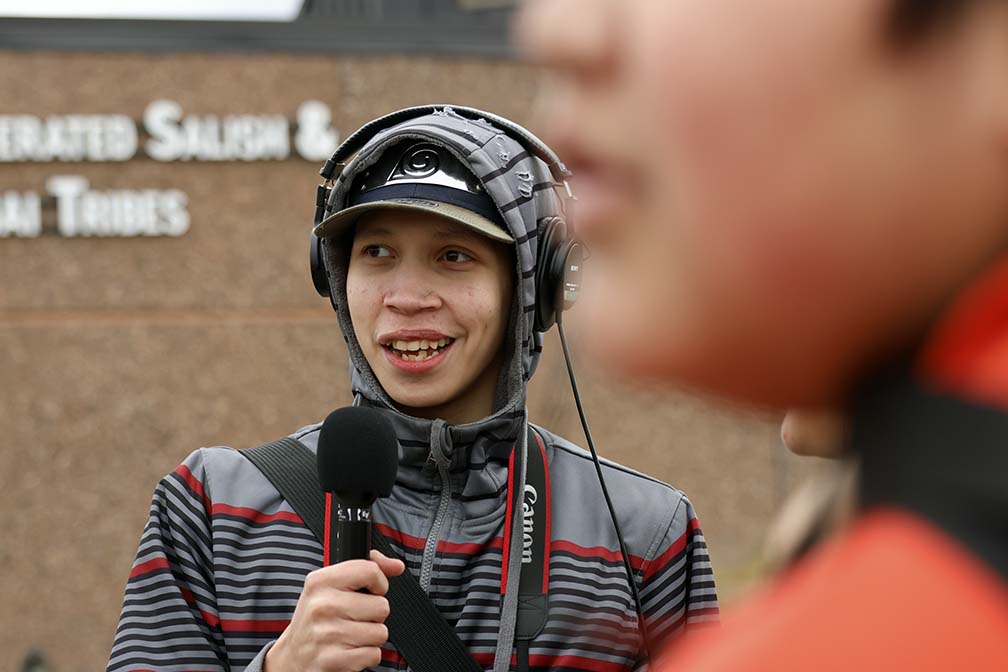
They worked with reporters from Montana Public Radio, Char-Koosta News, and the freelance photojournalism world, and went into the field to practice interviewing and photography around campus. The workshop culminated as the students reported on the 56th Kyiyo Pow Wow.
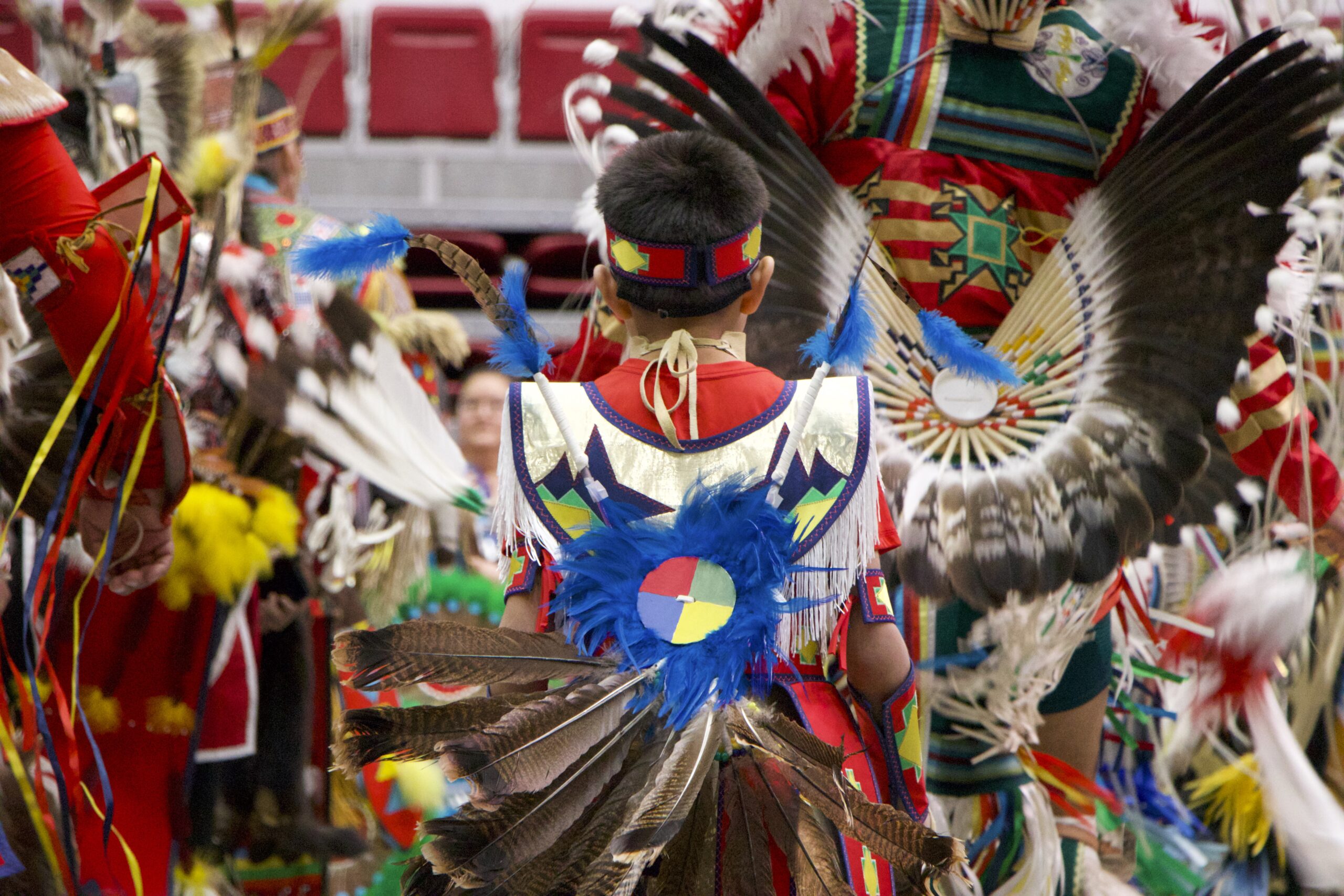
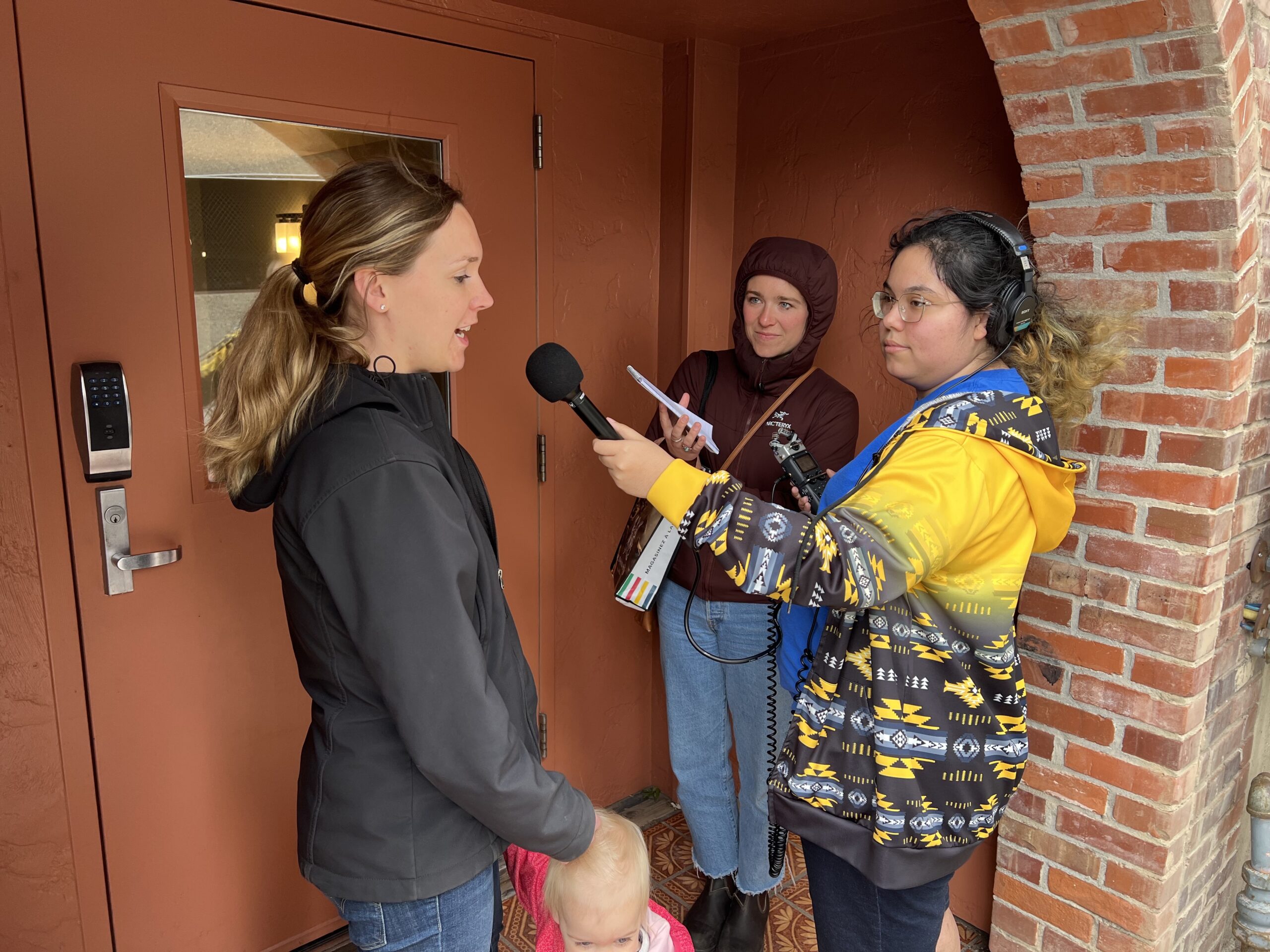
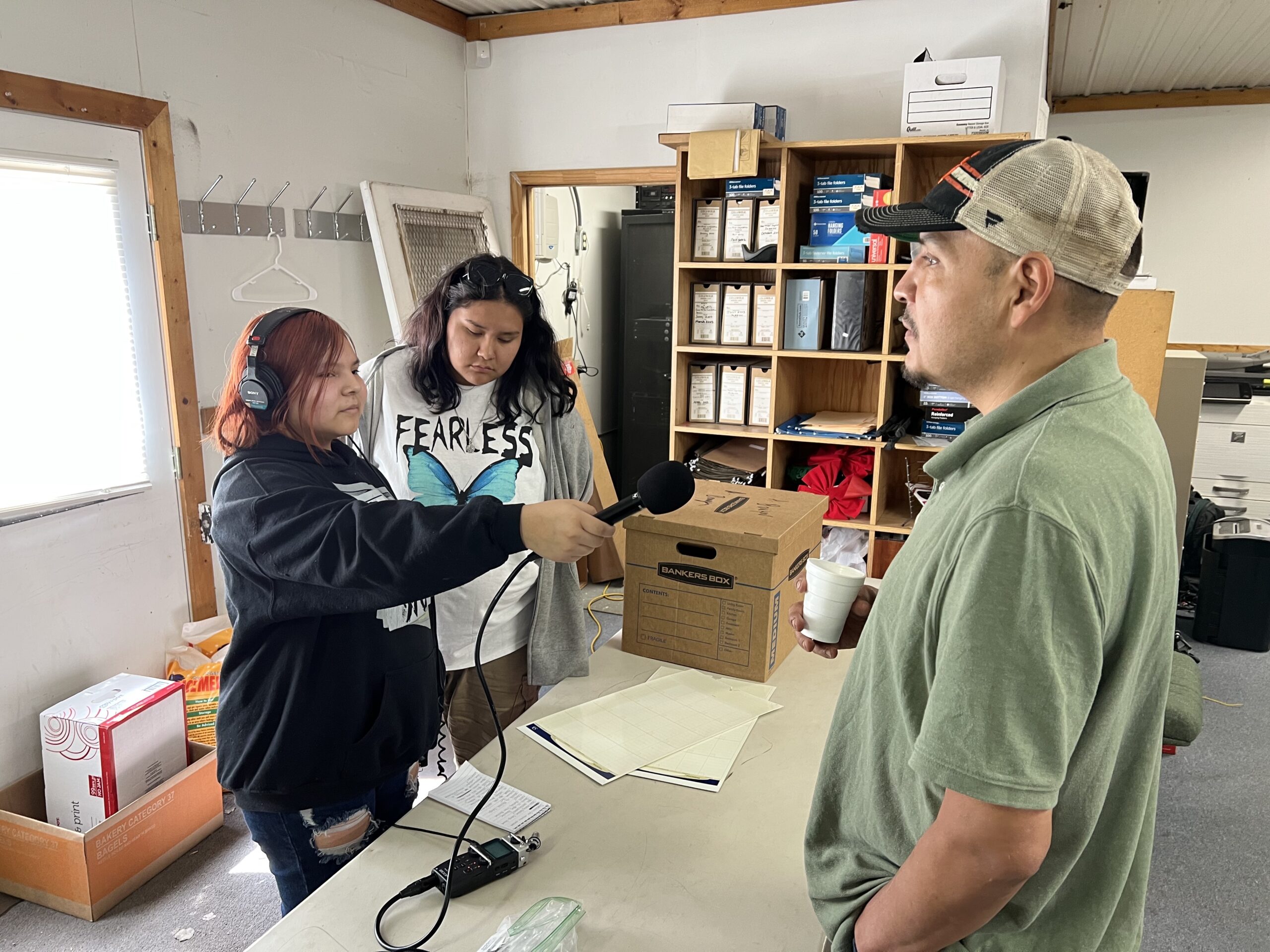
It was many of the students’ first experience attending a Pow Wow and reporting on an event. They pitched story angles and prepared interview questions, wanting to learn more about the significance of dancers’ individual regalia and what the Pow Wow meant to attendees. They photographed and talked with dancers, vendors, artists, and more. The students gathered their best photos and quotes, and have now been published in Char-Koosta News, the official publication of the Flathead Indian Reservation. Check out some of the student photos, and a written piece below.
Alberton student, Raeleen Czerp-Davis wrote this article for the Char-Koosta piece:
“Beaded moccasins tapped against the drumbeat as ribbons swirled through the air at the Kyiyo Pow Wow this weekend. Each dancer’s regalia told a story of culture, memory, and pride. It was a living history passed down through generations.
The 56th Annual Kyiyo Pow Wow is student-run and located on the University of Montana’s Campus in Missoula, Montana. This year the Pow Wow brought nearly 1,000 dancers from all over the country.
13-year-old Lena Killsback, Northern Cheyenne, was one of those dancers. ‘I’m so happy I’m able to dance. I’m so happy I get to represent my culture more often because most of my ceremonies and spirituality was taken away from most of my tribes and family,’ she said. ‘So being able to dance for my tribe and being able to dance for the University of Montana is also really good.'”
We are so proud of these students and their dedication! Thank you to the Kyiyo Pow Wow, Char-Koosta News and The Hearst Foundations for making these young journalists’ work possible.
More than 75 Hamilton, Montana teens reported audio stories about their first-hand experiences of themes from the classic novel The Crucible. Last fall, the Montana Media Lab led a workshop with 11th grade English students at Hamilton High School. in their daily lives. They reported stories on themes from judgement to paranoia, and those stories offered a view into their lives as teens in rural Montana.
When the Media Lab team arrived, students were apprehensive about their new roles as audio storytellers. But instructors taught the teens how to use audio equipment, and identify an important story. They quickly set to work and found their storytelling voices. The 26 stories they produced highlighted Hamilton teens’ dynamic experiences.
Over the course of the workshop students interviewed guests, researched topic ideas, and wrote scripts for their stories. In the end their stories covered topics from social media and flag football, to witches and hunting in the forests of Montana.
MML staff and teachers alike learned alongside the students as they were granted a window into the lives of teenagers today. The results painted a picture of a younger generation who are thinking about big ideas and how their lives are affected by events happening around them. They showed us that they are a varied and passionate generation who are ready to speak up, and have fun while they engage with the world.
The workshop concluded by showcasing their projects for family and friends to hear. More than 50 members of the community gathered at Hamilton Performing Arts Center to hear from the audio storytellers about their experience, and listen to their final stories.
You can listen to a few of the student-produced stories below.
Two Eagle River School photography students reported on the Bison Range returning to the management by the Confederated Salish and Kootenai tribes. The students created an audio news story with the support of the Montana Media Lab team and shot a collection of photographs.
Students reported from the field at the CSKT Bison Range. Photo by David Spear.
After learning how to use recording gear and developing and researching their story, the students interviewed scientists, elders, history experts, community members, and their peers, searching for all angles of the story. On a day-long field trip, they recorded natural sounds and talked with the Bison Range staff to make listeners feel like they were at the Bison Range too.
The narratives of our youth provide a beautiful opportunity to share and represent our culture from unique perspectives. I genuinely cherish this for everyone involved and the connection it fosters.
-Tracey LittleWolf, Cskt community member
Tracey Littlewolf, a student of the Salish Kootenai College Tribal Preservation program and the mother of a previous Two Eagle River student, supported the Media Lab in teaching the audio reporting workshops. Following the workshop series, she spoke about the value of the Montana Media Lab workshop to the youth, and the community. “The narratives of our youth provide a beautiful opportunity to share and represent our culture from unique perspectives,” Tracey said. “I genuinely cherish this for everyone involved and the connection it fosters… Future generations will weave their narratives through vibrant visual art, becoming the storytellers who honor and carry forward the stories of our ancestors.” We hope that youth across Montana continue to share stories important to them through their invaluable voices.
Students interviewed Roy Bigcrane, a Salish tribal elder and filmmaker. Photo by David Spear.
A draft of the Bison Range story was presented at a Two Eagle River community dinner at the close of the workshop series. The school’s photography classes partnered with local arts nonprofit, A VOICE to pitch the Bison Range audio story and photo collection to Photoville, an annual photography festival in New York City.
Students shared their work at a community presentation. Photo by Katie Medicine Bull.
Thank you to the Two Eagle River School and Pablo communities for working with the Montana Media Lab. We can’t wait to see the impact your stories and photographs will have.
You can listen to the Bison Range story, and see some behind the scenes photos here:
Arlee High School students learned audio reporting basics during a Montana Media Lab Youth Voices workshop. Using their new journalism skills, they produced a news story about an effort to rehabilitate animals in their community. That story aired on Montana Public Radio. Listen and read their work below.
A dog sanctuary on the Flathead Indian Reservation is healing animals and fighting stereotypes
A sanctuary for dogs on the Flathead Indian Reservation is trying to heal animals and people. The organization has distributed thousands of pounds of pet food to low-income families, and recently paid for about $80,000 in vet bills for rescue dogs and pet owners who needed assistance. Arlee High School students worked with the Montana Media Lab to report on the efforts to push back against the stereotype of neglected rez dogs. Student Joseph Romas brings us their report.
Jamie Rice fostered a dog named Biscuit through the Arlee Rehabilitation Center
“My daughter saw something on a Facebook post or whatever, in dire need — this animal that was going to lose its life if I didn’t help out,” Rice says
The Arlee Rehabilitation Center, or ARC is a new animal shelter on the Flathead Indian Reservation focused on community wellness rather than just rehoming pets.
“And then literally within 12 hours I had a dog sitting on my steps. And they brought dog food, cages, I mean, they set me up with everything. I mean, they definitely try to set you up for success with, I didn’t have, like, any expense, so to say, to take in this dog. So, it was a happy ending for Biscuit and everybody.”
ARC started its work back in 2021. Its director and founder is Filip Panusz.
Panusz says, “The mission is to serve the Flathead Indian Reservation by providing a sanctuary where animals heal people and people heal animals.”
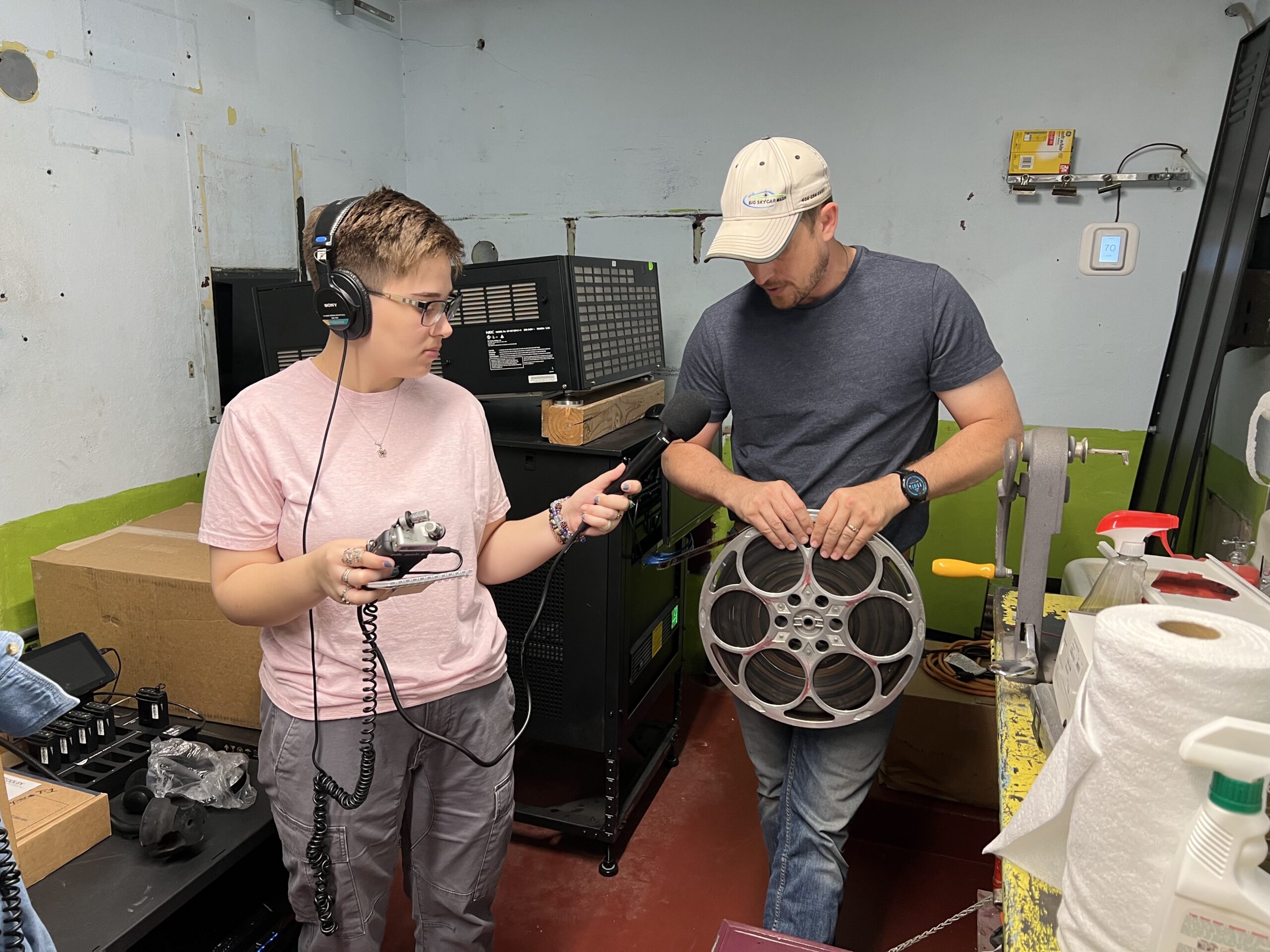
Instructors and reporters head out for some reportingA student practices her audio interviewing skills with a teacherTeen reporters interview ARC Director Filip Panusz
He noticed a problem with the animal rescue field.
“What I really was lacking was an approach that actually focused on community and the struggle that people were facing. And an approach that welcomed the community to work together to address challenges.”
He sees ARC’s work as a pushing back against the stereotype of neglected rez dogs.
“It didn’t seem true to me when I heard people say, ‘Oh, those Indigenous people on the reservation, they don’t give a damn about those rez dogs, they don’t care if they suffer. They don’t care.’ People here love their animals. The problem is they don’t always have the conditions to be able to take care of their animals.”
He said that’s why he decided ARC would be different from other animal rescue organizations.
“If we can find ways to rehabilitate pets, or dogs, and get them in homes where they’re safe and they’re having good lives, that’s critical, right?”
State Sen. Shane Morigeau, a member of the Confederated Salish and Kootenai Tribes, also serves on ARC’s board. He says that the organization addresses problems he’s witnessed during his childhood on the Flathead Indian Reservation.
“I grew up in Pablo,” Morigeau says, “So, seeing a lot of strays running around town, you know, what ends up happening is, sometimes people just can’t, they don’t have the resources to care for them, right? So having an organization that can help with those sorts of things is really important for the community. And so, if we can find ways to rehabilitate pets, or dogs and get them in homes where they’re safe and they’re having good lives, that’s critical, right?”
Myrna DuMontier says she witnessed animals helping people at ARC’s youth summer camps. She is also the president of ARC’s board.
“We call them our healing camps,” she says.
At those camps, children learned about animal care and to participate in animal assisted therapy.
DuMontier says that these camps have had a huge impact on our youth and ARC as a whole organization.
“Kids may have experienced trauma as well find that peaceful, safe place with animals. So, that’s been a really graceful and peaceful experience to watch and be a part of.”
DuMontier says ARC’s work aligns with her Salish cultural beliefs of caring for animals, walking or flying.
“It’s just a part of our value system and belief system to include all living things and to hold them with high regard and respect and to do what we can to help them or find solutions to problems altogether,” DuMontier says.
Again, Filip Panusz.
“We’re not an organization that is going to heal everybody and make the world a happy place. But I think we are an organization that can move us realistically within a realistic amount of time, to a place where there’s less trauma.”
This story was made by Arlee High School students during a workshop with the Montana Media Lab at the University of Montana School of Journalism. Along with the author, Joseph Romas, students Leah Mesteth, Nizho’ni’ Haynes, Dallas Swab, Ben Harlow, Joaquin Santos, Adalyn Jacobson, and Jace Arca worked on the story also. We would just like to thank the Arlee High School teachers, Jennifer Jilot and Tyler Delaney for hosting us and thank you Mansfield Center for help supporting this project.
Living in a place where wildfires burn regularly is complicated–and teens across Montana translated their complex experiences with fire into audio stories during Montana Media Lab workshops last fall.
Students in Darby and Florence Montana, and on Blackfeet Nation learned how to develop, research and report a story during intensive journalism workshops over the course of the fall semester. Led by University of Montana instructors, teens reported on everything from wildlife to school policy and Blackfeet cultural burning practices to the thrill of a firefighter’s first grass fire.
The Media Lab empowers teens to find their voices by giving them all the skills they need to tell their own stories. Teens in Indigenous and rural communities don’t often see their experiences reflected in journalism or media, but through our workshops they discover the immense power of their own perspectives. Here’s what one parent said about our workshop:
“Super proud of my girl! These experiences are the ones to give Native youth voices a place to be heard!”
-Workshop Participant’s parent
We’re thrilled that these teens’ voices were distributed to a national audience by Life With Fire Podcast. The podcast explores the critical role that fire plays in our forests, lands and communities. Huge thanks to Life With Fire host and creator Amanda Monthei for working with us to share these stories.
You can listen to the episode wherever you get your podcasts, or at the link below.
Deer Lodge teens explored the relationship between their town and mining in a podcast series they finished during a workshop with the Montana Media Lab. The project was inspired by the great Montana podcast, “Richest Hill,” which tells the story of the Superfund cleanup in Butte, Montana. Students conducted interviews with everyone from mining professionals to an employee at the local movie theater. Then, they did independent research and wrote scripts that explored the topic from a diverse array of angles. Each student recorded their own narration, and edited the project to include music and natural sounds. The result was a local perspective on the history of mining companies shaping one Montana town.
This winter our Youth Voices program headed to beautiful Ronan, Montana for a high school audio storytelling workshop. Students learned the basics of journalism, practiced using their audio gear, and making a radio news story. And along the way, they realized that their expertise on their hometown contained a story valuable to listeners across the state.
The group chose to cover a road construction project that could disrupt traffic in their town. On first glance, highway design might not seem like the most thrilling story. But local knowledge led these young reporters to uncover the depth of the project’s potential impacts.
They found that the path a road takes changes peoples lives. They heard resident’s worries that the new highway could turn their home into a ghost town. Others told them the new road could increase business profits. Their peers said they feared the new route of the highway could prevent their beloved trips to the local Dairy Queen for lunch.
One stop on our summer news literacy and audio storytelling tour was at Custer County High School in Miles City. Students covered the re-opening of a historic movie theater, capturing the feel of the space by recording the sound of popcorn being made and the squeals of children waiting to see a matinee.
Students reported and collected amazing sounds for their audio story all around the city. Then they cut and edited interviews they conducted with the town’s historical experts and community members into a compelling story.
Students chose their sources and scenes carefully so their story would tell a complete story about the theater.A highlight of the week was a behind-the-scenes tour of the theater from its new owner.
This summer we taught high school students in Great Falls about news literacy and digital storytelling. The workshop yielded a story on the new murals on downtown buildings. The story aired around the state on Yellowstone Public Radio.
Students learned how to find reliable sources of media
Students found sources who could speak about how the arts festival impacts the community
The workshops also gave students tools for finding reliable sources of news. Teens are exposed to a lot of media, and it can be difficult for them to determine what information is trustworthy, and what is misleading.
Students practiced capturing the signature sounds of different parts of Great Falls
Students looked closely at URLs and usernames, opened many tabs about one topic, and used fact-checking websites to identify false claims online. They said they learned new ways to identify misinformation, and they left the workshops understanding the reasons accurate news is important to them.
Last summer the Media Lab team hosted a workshop in Lodge Grass, where students interviewed people in horse stables and at tribal offices for a story about an annual race rooted in Apsaaloóke culture.Their story aired around the state on Yellowstone Public Radio.
Students interviewed Ian White, who has competed in the competition. “It’s probably the best thing I’ve ever accomplished in my life,” he said.
The Media Lab taught students how to make a radio story
Students interviewed officials at the Crow Tribe Executive Branch Offices
The Montana Media Lab teaches audio storytelling skills so people can tell their stories. This summer our team taught high school students around the state how to make stories for radio or podcasts. UM Journalism School graduate Dante Filpula Ankney led audio storytelling instruction.
Students interviewed officials at the Crow Tribe officials
Students learned how to find a good audio story, and how to operate microphones and audio recorders. They practiced writing scripts, narrating stories, and editing audio. Students left the workshop with all the skills they need to put together great audio stories.
Students shared their story and their audio reporting process with their community at the end of the week.